
Van Buren, IN Water Heater Leak? Call Local Plumbers Now
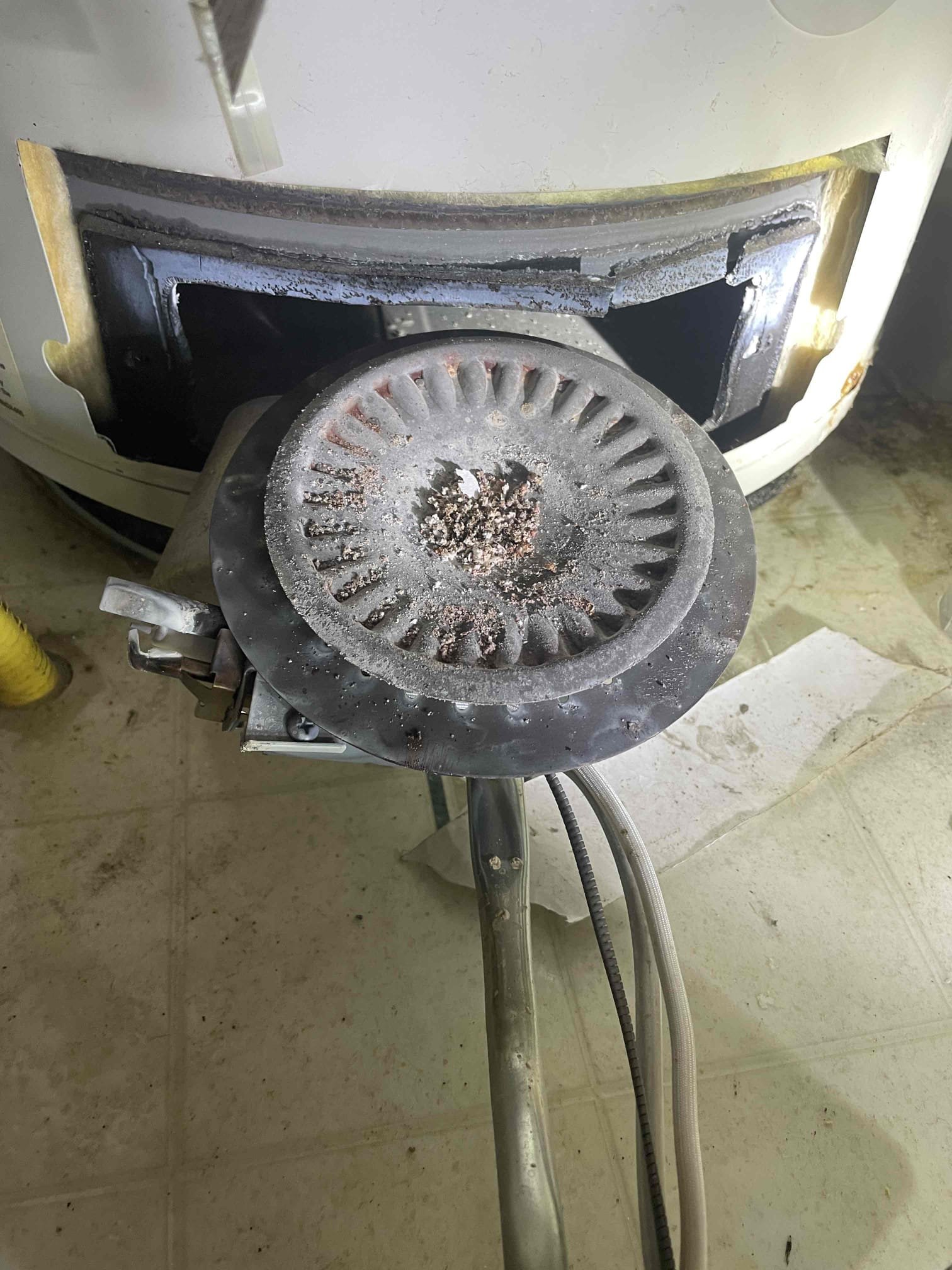
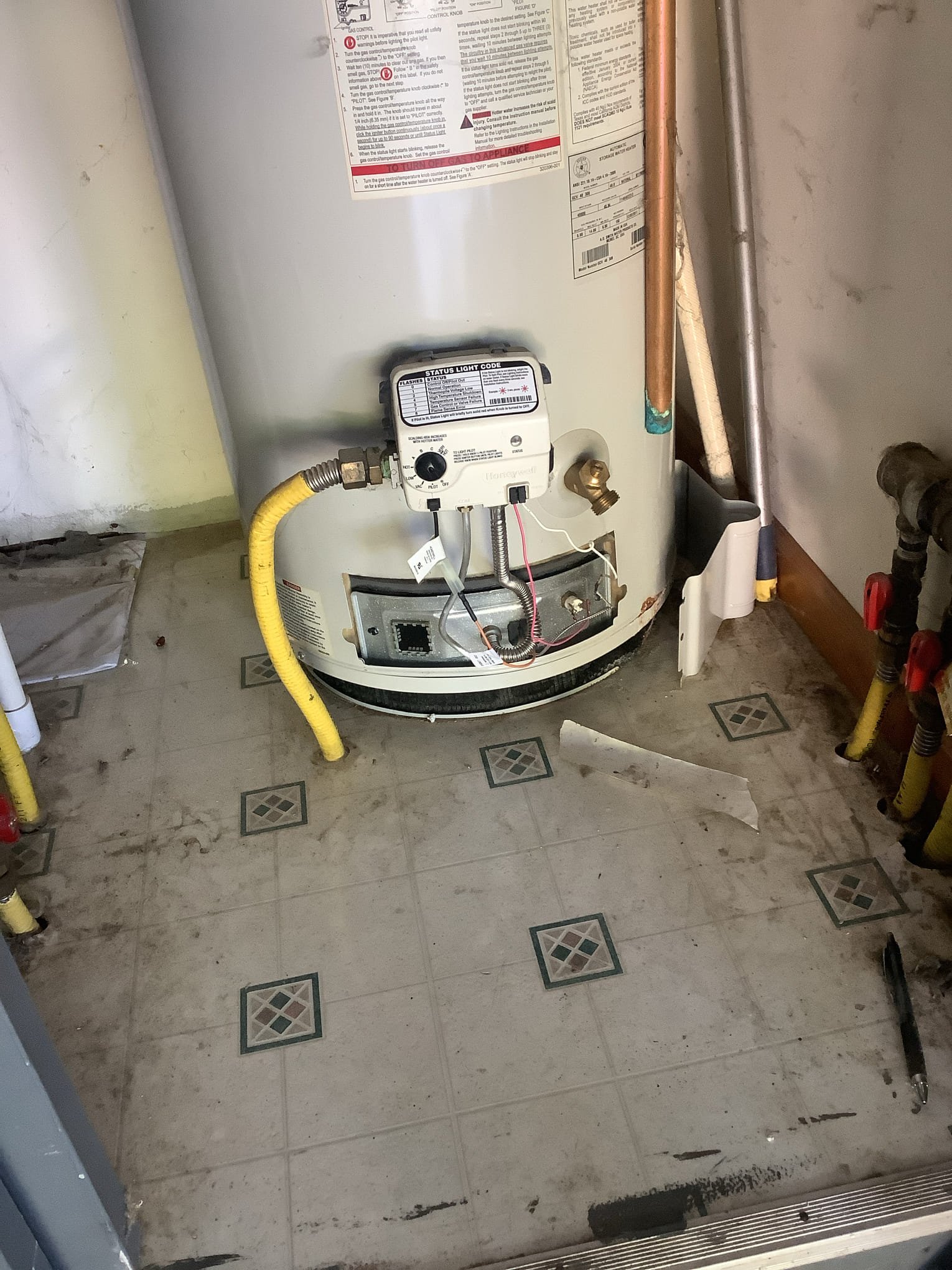
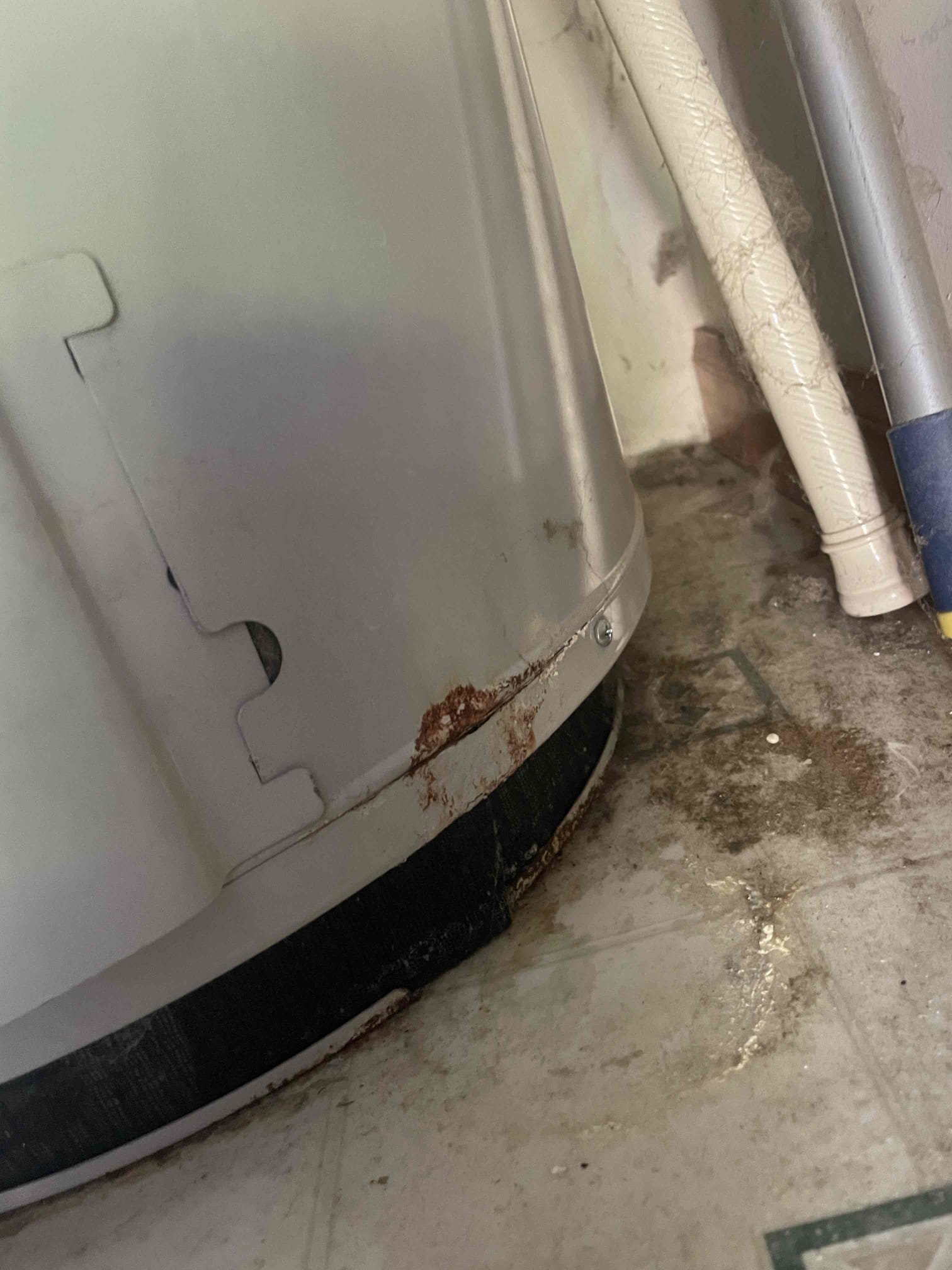
A sudden water heater leak can soak floors, ruin drywall, and cost you thousands if you wait. If you’re searching for help with a water heater leak, you’re in the right place. For homeowners in Van Buren, IN, this guide shows what to do first, how to prevent damage, and when to bring in a pro. Have a coupon handy? We’ve included limited-time savings below.
What To Do First When Your Water Heater Leaks
Act fast to limit damage and make the area safe.
- Cut power or fuel:
- Electric: turn off the water heater breaker.
- Gas: set the gas control to Off.
- Shut the cold-water supply valve on top of the tank to stop incoming water.
- If safe, connect a garden hose to the drain valve and direct water to a floor drain or outside.
- Move belongings away from the leak and place towels to protect flooring.
- Do not cap or block the temperature-pressure relief (TPR) valve discharge pipe.
If water keeps flowing or you can’t reach valves safely, call a plumber for emergency help.
Common Causes of Water Heater Leaks
Several components can fail over time:
- TPR valve releasing water from excess temperature or pressure.
- Corroded tank from sediment and anode rod depletion.
- Loose or failing inlet/outlet connections or dielectric nipples.
- Drain valve seepage after service or due to wear.
- Leaking flex lines, unions, or shutoff valves above the unit.
- Internal tank cracks from age or thermal stress.
Tip: A small puddle may be condensation or nearby plumbing dripping. Dry the area and recheck. If water returns, you likely have a true leak.
Signs You Need Professional Help in Van Buren, IN
Call a licensed plumber if you notice any of the following:
- The TPR valve drips continuously or discharges with no obvious cause.
- Rust-colored water, popping or rumbling noises, or visible corrosion at the tank base.
- Water pooling again within an hour after drying the floor.
- The unit is 10 years old or more, or the serial number date suggests end of life.
- You smell gas, see scorch marks, or the electric breaker trips.
Local note: Hard water is common across Grant County. Without regular flushing, scale can overheat the tank bottom, weaken steel, and accelerate leaks.
Tank vs. Tankless: Leak Risks and Differences
Both systems can leak, but the patterns differ.
-
Tank-style heaters
- Highest leak risk is the tank itself. Once the steel shell fails, replacement is the safe fix.
- Other leak points include the drain valve, TPR valve, and connections.
- Sediment buildup raises operating temperature at the bottom, stressing the tank.
-
Tankless water heaters
- No storage tank means far lower risk of catastrophic tank rupture.
- Leaks typically occur at unions, heat-exchanger gaskets, or condensate lines on high-efficiency units.
- Summers calls out that tankless models are smaller, more energy-efficient, and can provide an endless amount of hot water. They also tend to need less maintenance than a tank, but annual descaling is still smart in hard-water areas.
Repair or Replace? How Pros Decide
Use practical rules to guide your decision.
- Age and condition: Most tank-style units last about 8 to 12 years with proper care. If the tank shell itself is leaking, replacement is the safe path.
- The 50 percent rule: If the repair cost is 50% or more of the price of a comparable replacement, replacement usually makes better financial sense.
- Performance history: Frequent pilot outages, tripping breakers, or recurring lukewarm water point to declining reliability.
- Energy costs: Newer models often deliver the same hot water with less energy.
Your plumber will confirm whether the leak is from a fixable fitting or the tank body. Tank body leaks are not reliably repairable.
Prevent Damage: Shutoff and Safety Steps for Grant County Homes
Follow this quick sequence to protect your home while waiting for service:
- Power or gas off first for safety.
- Turn the cold-water inlet valve clockwise until it stops.
- Open a hot-water faucet to relieve pressure in the system.
- If needed, attach a hose to the drain valve and slowly drain to a safe location.
- Keep children and pets away from the area. Water can be scalding near a TPR discharge.
Set your water heater temperature to about 120°F when restored to reduce scald risk and limit mineral scale.
Professional Diagnosis: How Plumbers Find the Source
A thorough leak check is systematic and safe:
- Visual and moisture mapping: Inspect for pooled water, rust trails, and staining that points to the origin.
- Component tests: Check the TPR valve operation, drain valve seal, and dielectric nipples for seepage.
- Pressure and temperature checks: Verify system pressure, thermostat performance, and combustion or element function.
- Anode rod evaluation: If the rod is exhausted, the tank corrodes faster. Replacement every 4 to 5 years is typical.
- Combustion and venting: Confirm proper draft on gas units to protect heat-exchanger integrity.
Summers follows a defined maintenance checklist that includes flushing the heater, verifying the TPR valve, replacing the anode rod on schedule, and inspecting for leaks, rust, and corrosion. Catching small issues early prevents big leaks later.
Preventive Maintenance That Actually Stops Leaks
Small, regular steps extend life and reduce leak risk:
- Annual flush: Clears calcium and sediment to reduce overheating at the tank bottom.
- Anode rod: Replace every four or five years to protect the steel tank from corrosion.
- TPR valve test: Ensure safe pressure relief and confirm the discharge pipe is unobstructed.
- Connection check: Inspect flex lines, shutoff valves, and dielectric nipples for drips or corrosion.
- Expansion control: In closed systems, consider a thermal expansion tank to reduce pressure swings.
Summers’ published checklist includes visual inspection for leaks, part replacements as needed, a full tank flush, a TPR valve check, and anode rod service. Regular water heater maintenance can save money and extend the life of your unit.
When a Leak Means It’s Time for Replacement in Van Buren Area
These red flags point to replacement instead of repair:
- Active seepage or rust at the tank seam or base.
- Heavy scale, loud rumbling, and rising utility bills.
- Age beyond the expected service life with multiple issues.
- Repeated TPR discharges indicating temperature or pressure problems.
Replacement benefits Summers highlights include improved durability, fewer repairs, lower utility bills, and an environmentally friendly footprint. If you’re considering upgrading, tankless options provide continuous hot water and save space.
Going Tankless: Smart Upgrades for Leak-Weary Homes
Consider tankless if you want to reduce leak risk from a storage tank and gain performance:
- Endless hot water and compact size free up space.
- Higher energy efficiency than most storage tanks.
- Less maintenance required compared to tanks, with annual descaling recommended in hard-water regions.
- Proper venting and siting are critical. Summers provides full lifecycle service for tankless units, including installation, maintenance, and repairs.
Note on costs: Pricing depends on your home’s layout, gas line and venting needs, and choice of unit. Call for a written estimate.
How Summers Restores Your Hot Water, Step by Step
Here’s what to expect when you call:
- Rapid dispatch and on-time arrival.
- Safety-first assessment, then targeted leak isolation.
- Clear, written options with up-front pricing before work begins.
- Repairs on fittings, valves, or lines when feasible, or same-day replacement if the tank has failed.
- Post-repair testing, cleanup, and preventive advice to avoid repeat issues.
Mid-article CTA: Need help now in Van Buren? Call 765-664-4328 or schedule at https://www.summersphc.com/marion/ for same-day service.
Special Offer
- Water Heater Flush + Plumbing Inspection — $59, This Month Only.
- $200 Off Your Tankless Water Heater Purchase — This Month Only.
Call 765-664-4328 and mention the Water Heater Flush + Plumbing Inspection $59 special or the $200 Off Tankless special when you schedule. Offers subject to change; ask for current details at https://www.summersphc.com/marion/.
What Homeowners Are Saying
"Early September this year I suddenly heard a very loud warning beep telling me I had a water leak around my water heater... a few days later I had a tankless water heater in the place of the old leaking tank heater. They were friendly, careful, and efficient." –Hadyn C., Marion
"Chris Durbin came into our home to complete installation of a tankless water heater and he completed the job much quicker than we anticipated... We were pleased with his service." –Chris D., Gas City
"Outstanding service... complete inspection of our water heater and a detailed explanation of what was wrong. Very kind and courteous." –Aaron B., Upland
"Wesley did a great job repairing our water heater connection, very efficient, knowledgeable & friendly." –Wesley W., Marion
Frequently Asked Questions
How long do water heaters typically last?
Most tank-style water heaters last about 8 to 12 years with good maintenance. Hard water can shorten that lifespan without regular flushing and timely anode rod replacement.
Is a leaking tank repairable?
If the steel tank is leaking, replacement is the safe fix. Fittings, valves, and flex lines can often be repaired, but tank shell failures are not reliably repairable.
What temperature should I set my water heater to?
About 120°F balances comfort, safety, and energy savings. It also helps reduce scale buildup compared to higher settings.
What’s the first thing to do when I see a leak?
Turn off power or gas to the unit, close the cold-water inlet valve, and if safe, drain to a floor drain. Keep the TPR discharge line unobstructed and call a licensed plumber.
Do you provide after-hours emergency service in Van Buren?
Yes. Summers offers emergency response to restore hot water any day and time. Call 765-664-4328 for immediate assistance in Van Buren and nearby cities like Marion and Gas City.
Conclusion
A water heater leak can escalate fast. Now you know how to make it safe, what usually causes leaks, and when to repair or replace. For fast, trusted help with a water heater leak in Van Buren, IN, call Summers Plumbing Heating & Cooling.
Call or Schedule Now
Call 765-664-4328 or book at https://www.summersphc.com/marion/. Ask about our $59 Water Heater Flush + Plumbing Inspection or $200 Off Tankless specials. We proudly serve Van Buren, Marion, Gas City, Upland, and surrounding Grant County neighborhoods.
Call 765-664-4328 or schedule service online at https://www.summersphc.com/marion/ today. Ask for the $59 Water Heater Flush + Plumbing Inspection or $200 Off Tankless special when you book.
About Summers Plumbing Heating & Cooling
Since 1969, Summers Plumbing Heating & Cooling has served Grant County homeowners with licensed, background-checked technicians and same-day service. We back our work with written estimates and our Worry Free Guarantee price-match promise. Our team has earned manufacturer recognition, including the Lennox Circle of Excellence distinction. We proudly serve Van Buren, Marion, Gas City, Upland, and surrounding communities with dependable plumbing expertise and fast, friendly service.
Sources9
Source links open in a new tab.
- Summers Plumbing Heating & Cooling is offering a $65 Furnace Tune-Up Special with a No Breakdown Guarantee — if your furnace breaks down this winter after our tune-up, we’ll put the cost of the tune-up toward the repair.summersphc.com (opens in a new tab)
- Happy comment by Marshagoogle.com (opens in a new tab)
- Happy comment by Cynthia Coegoogle.com (opens in a new tab)
- Happy comment by Karissa Currengoogle.com (opens in a new tab)
- Happy comment by David Semenickgoogle.com (opens in a new tab)
- Water Heater Maintenance in Marion, IN | Plumbing Servicessummersphc.com (opens in a new tab)
- Plumbing Installation in Marion, IN | Plumbing Servicessummersphc.com (opens in a new tab)
- Choosing a Plumbing Installer in Grant County | Summers PHCsummersphc.com (opens in a new tab)
- Water Heater Installation in Marion, IN | Plumbing Servicessummersphc.com (opens in a new tab)