Marion, IN Plumbing: Water Heater Not Heating — Fixes
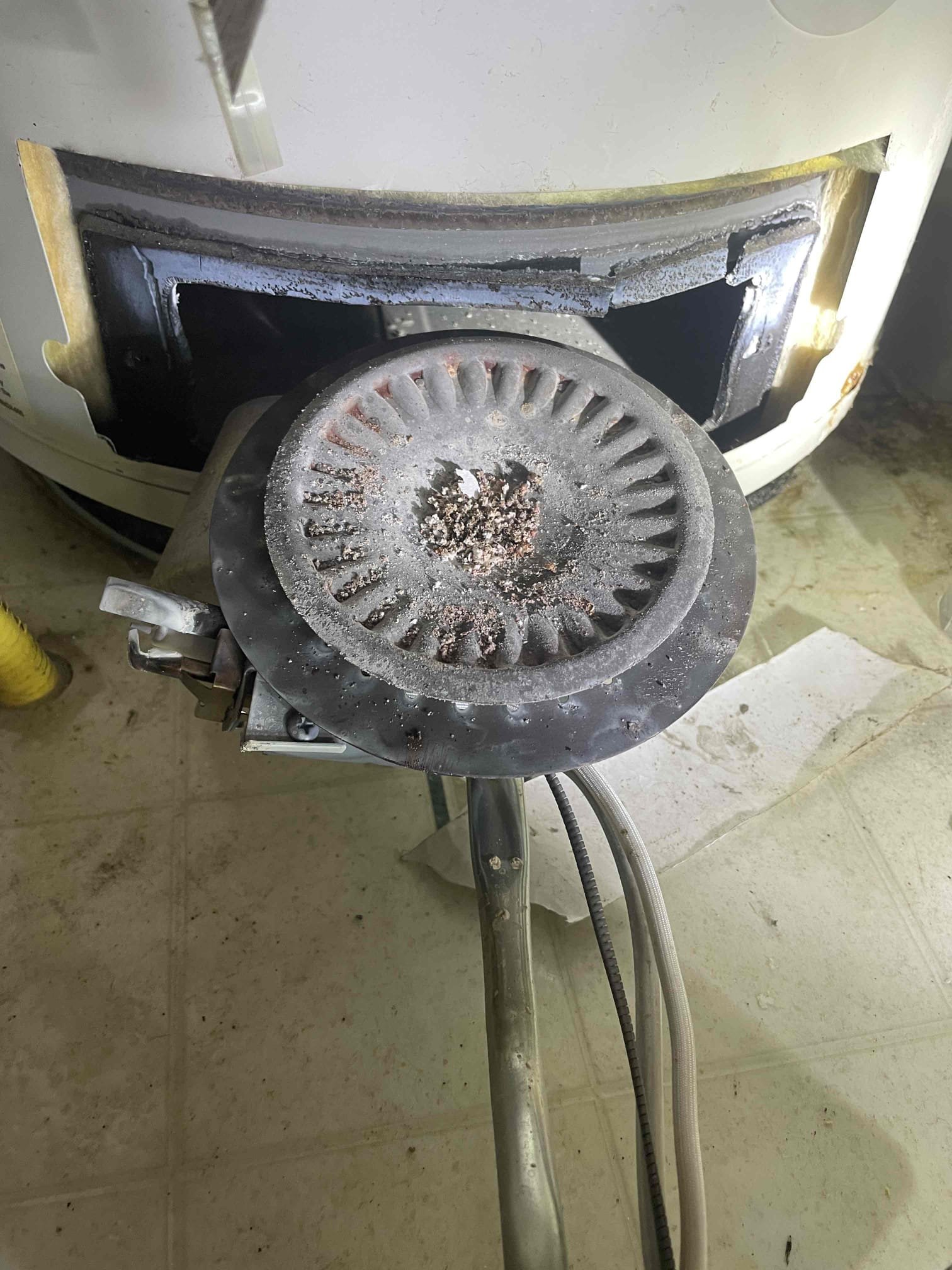
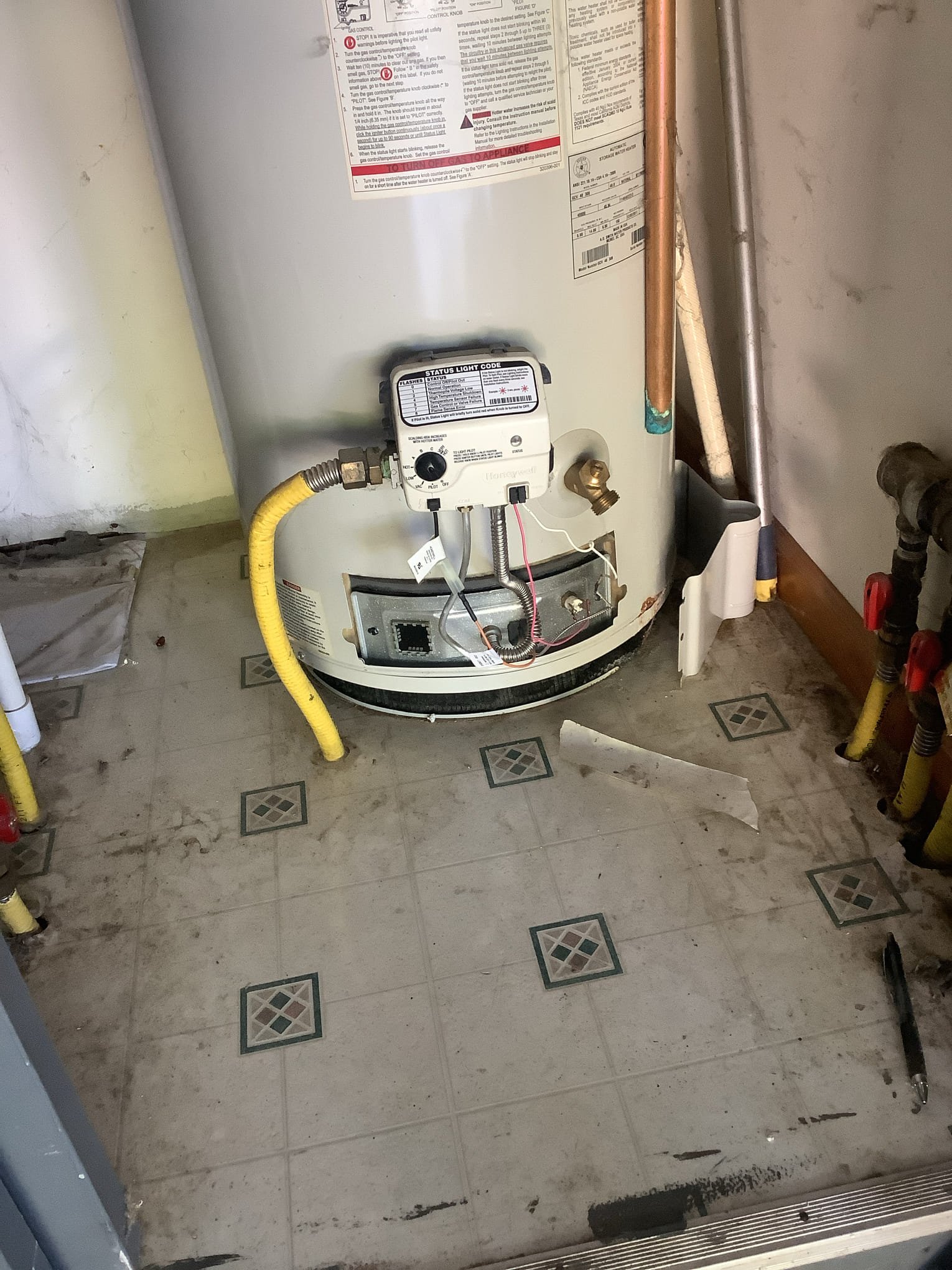
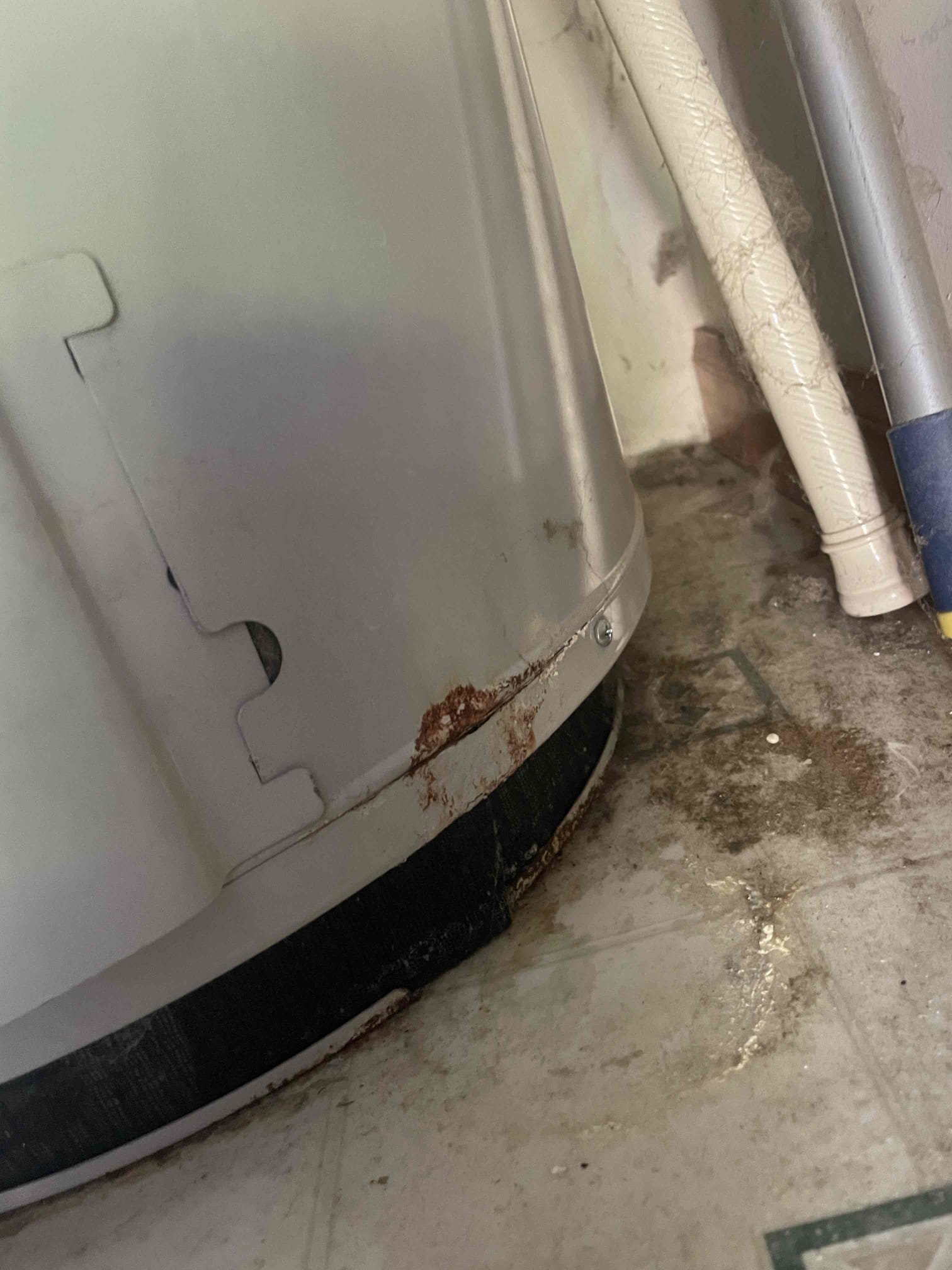
No hot water at home in Marion, IN? Start here. This guide covers the top causes of a water heater not heating and the quickest fixes you can try today. Whether you have gas, electric, or tankless, we’ll show you what to check first, when it’s safe to DIY, and when to call Summers Plumbing Heating & Cooling for expert help. Bonus: limited-time savings below.
Quick Checks to Try First
Before you dive deep, rule out the simple issues.
-
Verify power or gas supply
- Electric: Make sure the water heater’s breaker hasn’t tripped. Reset it once. If it trips again, stop and call a pro.
- Gas: Confirm the gas valve is fully open and other gas appliances work.
-
Confirm temperature setting
- For safety and comfort, set the thermostat around 120 F. Settings lower than 110 F often feel lukewarm.
-
Wait for recovery
- After heavy use, tanks need time to reheat. A standard tank may take 30–60 minutes to recover. If it never recovers, keep reading.
-
Check for error lights or codes
- Many newer gas and tankless units flash a status light or display a code. Note it before resetting power once.
If these do not restore hot water, move to the section that matches your heater type.
Electric Water Heater Not Heating: Element and Thermostat Tests
Electric models rely on heating elements controlled by thermostats and high-limit switches.
What commonly fails
- Upper heating element or thermostat: If the top element or its thermostat fails, you get no hot water at all.
- Lower element: Failure causes short or lukewarm showers.
- High-limit reset: If the tank overheats, the safety switch trips. Press the red reset button behind the upper access panel one time only. If it trips again, call for service.
DIY checks (power off first)
- Turn off the breaker and verify no voltage at the heater.
- Remove access panels and insulation. Look for burnt wires or signs of scorching.
- Press the high-limit reset once. Restore power and test.
- If still cold, a pro can test ohms on elements and continuity on thermostats to isolate the failed part.
Why elements fail
- Sediment buildup buries elements, causing hotspots and burnout.
- Hard water scaling insulates elements and slows heating.
When to call Summers
- Repeated breaker trips, melted wiring, or frequent resets point to deeper electrical faults.
- If the tank is 8–12 years old and elements keep failing, replacement may be the better value.
Gas Water Heater Not Heating in Marion, IN: Pilot, Thermocouple, and Gas Supply
Gas models depend on safe ignition and flame sensing.
Top culprits
- Extinguished pilot: Relight per the manufacturer’s instructions. If it will not stay lit, suspect the thermocouple or flame sensor.
- Faulty thermocouple/flame sensor: It must detect flame to keep the gas valve open. If weak or dirty, the burner shuts off.
- Gas valve or control failure: If the pilot is strong but the main burner never fires, a control fault is likely.
- Venting or combustion air issues: Restricted vents or tight mechanical rooms starve the flame.
Steps to try safely
- Inspect the viewing window. If there is no pilot flame, follow the label steps to relight.
- Confirm the gas shutoff is parallel with the pipe and that other gas appliances work.
- Observe the flame. A steady blue flame with small yellow tips is normal. Lazy, yellow, or lifting flames need service.
Call immediately if you smell gas. Leave the area and contact your utility, then us.
Lukewarm Water: Sediment, Dip Tube, and Mixing Valves
If you have some hot water but not enough, look here.
- Sediment buildup: Minerals settle at the bottom and blanket the burner or elements, slowing heat transfer and reducing capacity. A professional flush restores performance.
- Broken dip tube: This plastic tube sends cold water to the bottom of the tank. If it breaks, incoming cold water mixes at the top and you get tepid water quickly.
- Stuck or failed mixing/tempering valve: If installed, it blends cold with hot for safety. Failure can force excessive mixing.
- Thermostat calibration: A misreading control can underheat the tank.
Quick improvements
- Schedule a tank flush. In mineral-rich water, annual flushing helps maintain full capacity and faster recovery.
- Inspect the dip tube during service and replace it if crumbling.
Tankless Water Heater Not Heating: Flow, Scale, and Venting
Tankless units require the right flow rate and clean heat exchangers.
Common causes
- Minimum flow not met: If faucets have clogged aerators or a stuck recirculation valve, the unit may not fire.
- Scale on the heat exchanger: Hard water scale insulates the exchanger so the unit cannot reach set temperature or throws error codes.
- Exhaust or intake blockage: Debris or snow blocking terminations will shut the system down.
- Gas supply sizing: Undersized gas lines starve the burner under high demand.
Owner checks
- Clean faucet aerators and showerheads. Open a full-flow hot tap to test.
- Verify the setpoint is around 120 F and that no child lock is engaged.
- Clear snow and debris from outdoor intake and exhaust.
Pro service
- Descale the heat exchanger with a pump and approved solution.
- Confirm gas line sizing, vent lengths, and condensate drainage meet the manufacturer’s specs.
Mid-article CTA Ready for fast help? Call Summers Plumbing Heating & Cooling at 765-664-4328 or schedule at https://www.summersphc.com/marion/. Ask about this month’s $59 water heater safety inspection and flush.
When to Repair vs Replace in Grant County
Use these guidelines to decide your next step.
- Age of the tank: Traditional tanks commonly last 8–12 years with good maintenance. If yours is near or beyond this range and has frequent issues, replacement is often smarter.
- 50% rule: If a repair approaches 50% of the cost of a comparable new unit, many homeowners choose replacement for better reliability and efficiency.
- Performance needs: Growing families or new bathrooms increase demand. Upsizing or going tankless can solve chronic shortages.
- Repeated failures: Multiple element or control failures in a short period indicate deeper wear.
Pros of replacing now
- Improved durability, fewer repairs, and lower utility bills with newer designs.
- Opportunity to right-size or switch to tankless for endless hot water and space savings.
Safety First: T&P Valve, Leaks, and Carbon Monoxide
Never ignore safety devices or warning signs.
- Temperature and pressure relief (T&P) valve: It must open if the tank overheats or over-pressurizes. Testing is part of our maintenance checklist and should be done carefully to avoid scalding.
- Leaks and corrosion: Pooled water, rust streaks, or a bulging tank require immediate attention.
- Carbon monoxide on gas units: Poor combustion or blocked vents create danger. If CO alarms sound, ventilate and call for help.
Homeowner rules of thumb
- Keep the area around the heater clear for airflow and service access.
- Do not cap or plug a T&P discharge line.
- Install a drain pan with a proper drain where codes require or where leaks could damage finishes.
Maintenance That Prevents No-Hot-Water Emergencies
Regular care restores performance and extends life.
Our Marion water heater maintenance includes
- Visual inspection for leaks, rust, corrosion, loose parts, and pooled water
- Flushing the heater to reduce calcium buildup and increase efficiency
- Testing the temperature and pressure relief valve for proper operation
- Replacing the corrosion-preventing anode rod every four or five years
- Changing worn parts before failure
Benefits you feel
- Faster recovery, steadier temperatures, and lower utility bills
- Fewer surprise breakdowns and a longer-lasting system
Choosing the Right-Sized Heater for Marion Homes
Size affects comfort and efficiency.
- Tank size: Match capacity to peak-hour demand. Undersized tanks run out fast. Oversized tanks waste energy.
- First-hour rating (FHR): For tanks, FHR is a better real-world measure than capacity alone.
- Recovery rate: Gas models usually reheat faster than electric.
- Tankless sizing: Sizing is based on flow rate and temperature rise. Colder incoming winter water here means choosing higher BTU or using recirculation to maintain comfort.
Confident you need an upgrade? Our team helps you compare tank and tankless options for your fixtures and family routines.
How Summers PHC Diagnoses and Fixes No-Hot-Water Calls
What to expect when you schedule service in the Marion area.
-
Interview and upfront pricing
- We listen to symptoms, review maintenance history, and check for any error codes. You get a written estimate before work begins.
-
Precision diagnostics
- Electric: Test elements, thermostats, and high-limit. Inspect wiring and look for heat damage.
- Gas: Verify pilot strength, thermocouple or flame sensor function, gas valve operation, and combustion quality.
- Tankless: Check flow sensors, descaling need, vent terminations, and gas supply under load.
-
Fix on the spot when possible
- Our trucks are stocked for common parts like elements, thermostats, thermocouples, anode rods, and valves.
-
Replacement guidance when it’s time
- If the system is at end-of-life or the 50% rule applies, we help you choose the right tank or tankless unit. Tankless models are smaller, more energy-efficient, and provide continuous hot water.
Local insight that helps
- Winters in Indiana increase hot water demand and make scale more noticeable as heaters work harder.
- Many homes benefit from annual flushing and periodic anode replacement to control corrosion in mineral-rich water.
Special Offer
- Special Offer: Water Heater Safety Inspection and Flush for $59. Use code LOCAL59 this month.
- Special Offer: $200 Off Your Tankless Water Heater Purchase. Use code TANKLESS200 this month.
Book now at 765-664-4328 or https://www.summersphc.com/marion/. One offer per household. Limited-time only.
What Homeowners Are Saying
"Early September this year I suddenly heard a very loud warning beep telling me I had a water leak around my water heater. I immediately called Summers for help and a few days later I had a tankless water heater in the place of the old leaking tank heater. ... They were friendly, careful, and efficient. I’m glad I have the yearly coverage with Summers and will continue to keep that." –Satisfied Homeowner, Marion
"Chris Durbin came into our home to complete installation of a tankless water heater and he completed the job much quicker than we anticipated it would take. ... We were pleased with his service and we have recommended him and your company to a few friends." –Homeowner, Grant County
"Wesley did a great job repairing our water heater connection, very efficient, knowledgeable & friendly." –Homeowner, Gas City
Frequently Asked Questions
Why is my electric water heater suddenly cold?
The upper heating element or thermostat likely failed. Check the breaker and press the high-limit reset once. If the unit trips again or stays cold, schedule professional testing of the elements and thermostats.
How hot should my water heater be set?
Most households set 120 F for comfort and safety. Higher setpoints increase scald risk and energy use. Use mixing valves if you need higher storage temps but safe tap temperatures.
When should I replace instead of repair?
If your tank is 8–12 years old or a needed repair is near 50% of a comparable new unit, replacement usually offers better reliability and efficiency. Frequent failures are another strong signal.
Why does my tankless heater work at one faucet but not others?
It may not sense enough flow. Clean aerators and showerheads, open a full-flow hot tap to test, and check for scale. If issues persist, a pro should descale and verify venting and gas sizing.
Do I really need to flush my water heater?
Yes. Flushing removes sediment that slows heating and causes element or burner stress. In mineral-rich water, annual flushing helps maintain capacity and efficiency and prevents lukewarm water complaints.
Wrap-Up
If your water heater is not heating, start with power or gas, thermostat at 120 F, and the quick checks above. For persistent issues in Marion, IN, our team will diagnose and fix the root cause fast. Call 765-664-4328 or schedule at https://www.summersphc.com/marion/. Serving Marion, Wabash, Gas City, Hartford City, and Upland with same-day solutions.
Ready for Hot Water Again?
Call Summers Plumbing Heating & Cooling at 765-664-4328 or book online at https://www.summersphc.com/marion/.
This month only: $59 water heater safety inspection and flush (code LOCAL59) or $200 off tankless purchase (code TANKLESS200).
About Summers Plumbing Heating & Cooling
Proudly serving Marion, Wabash, Gas City, Hartford City, Upland, and nearby towns since 1969. Our licensed, background-checked technicians deliver fast, friendly service with written estimates. Recognized with the Lennox Circle of Excellence award, we’re in the top 1% of North American providers for training and customer satisfaction. Ask about our Worry Free Guarantee price-match pledge and convenient service plans.
Sources9
Source links open in a new tab.
- Summers Plumbing Heating & Cooling is offering a $65 Furnace Tune-Up Special with a No Breakdown Guarantee — if your furnace breaks down this winter after our tune-up, we’ll put the cost of the tune-up toward the repair.summersphc.com (opens in a new tab)
- Happy comment by Marshagoogle.com (opens in a new tab)
- Happy comment by Cynthia Coegoogle.com (opens in a new tab)
- Happy comment by Karissa Currengoogle.com (opens in a new tab)
- Happy comment by David Semenickgoogle.com (opens in a new tab)
- Water Heater Maintenance in Marion, IN | Plumbing Servicessummersphc.com (opens in a new tab)
- Plumbing Installation in Marion, IN | Plumbing Servicessummersphc.com (opens in a new tab)
- Choosing a Plumbing Installer in Grant County | Summers PHCsummersphc.com (opens in a new tab)
- Water Heater Installation in Marion, IN | Plumbing Servicessummersphc.com (opens in a new tab)